Table Of Content
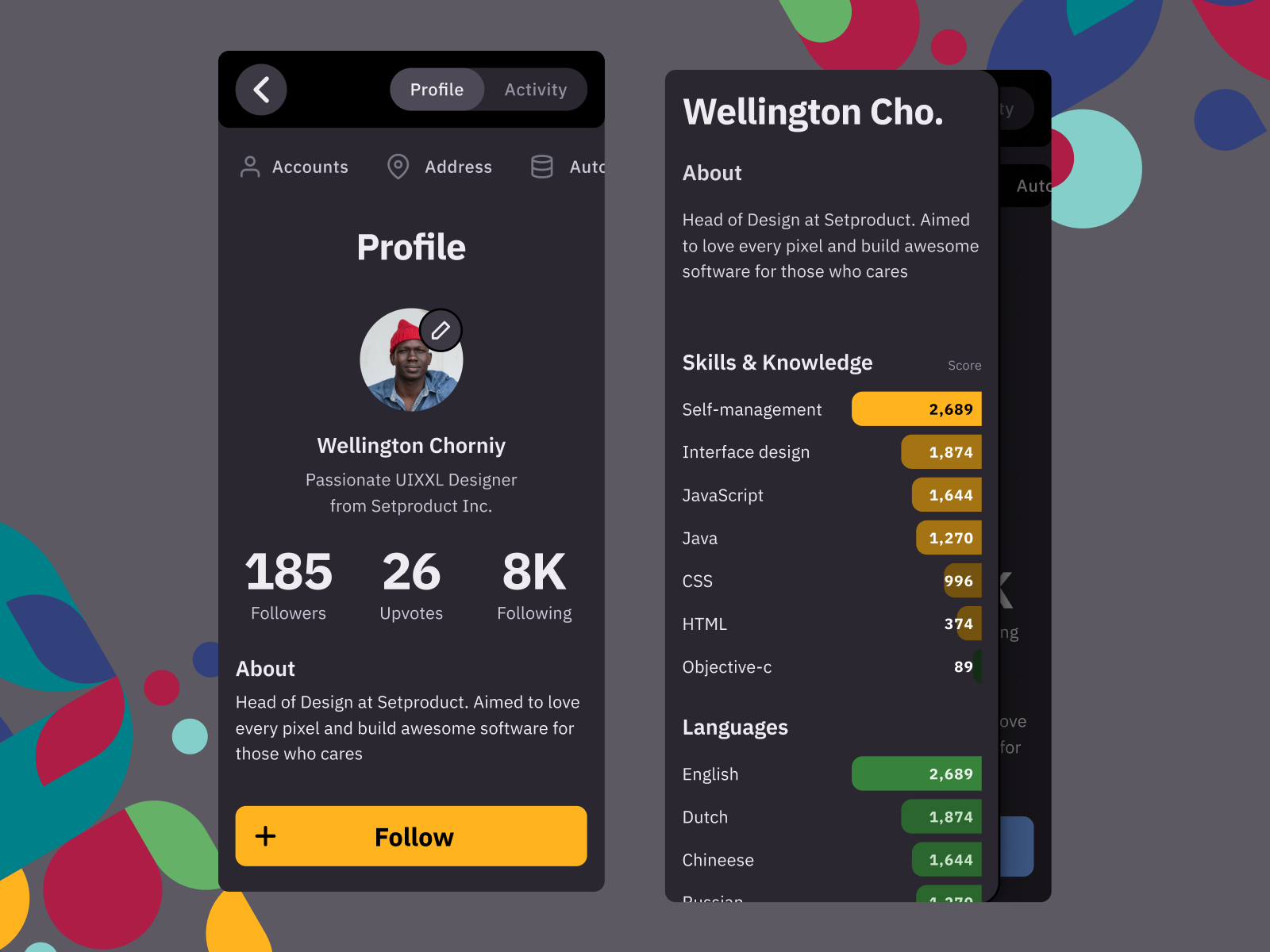
Through hands-on projects, real-world case studies, and expert guidance from industry professionals, our courses will empower you to become a proficient UI/UX designer. From mastering Figma and design systems to honing your user research and prototyping skills, we’ve got you covered. It’s generally not useful to include highly complex components or those that may only be used once or twice in the product. The more reusable something is, the more it belongs in a design system. Read how a need for more cohesion led Spotify’s design systems team to take a cross-platform approach to components.
How to build your design system in Figma
Atlassian having skin in the game when it comes to SaaS products is an understatement. Shopify’s Figma profile also includes UI kits for Shopify’s checkout apps, POS apps, and more if you’re interested, but those ones are Shopify specific. That being said, designers don’t necessarily need to start from scratch. There are plenty of design systems and UI kits on the market — many of them free — that you can use and adapt.
How Brands Can Benefit from Figma's New Product Launches 06/30/2023 - MediaPost Communications
How Brands Can Benefit from Figma's New Product Launches 06/30/2023.
Posted: Fri, 30 Jun 2023 07:00:00 GMT [source]
UI Prep
It’s simple—the majority of device breakpoints are divisible by eight, making it an ideal base unit for grids, spacing, and typography. Designer Advocate Clara Ujiie’s “An insider’s guide to a seamless Figma migration” has resources, tips, and tools for transitioning to Figma. First, let’s think about the Components and Styles that are likely to be reusable from this form. There are also three font styles and a few different colors and effects that may be useful. Figma recently released design system analytics for organizations, where teams can see how effective different parts of a design system are and help optimize it.
Beyond Building a Component Library in Figma
This separates a design system from a pattern library and system guides. There are some great open design systems that shows best practices in the industry with detailed documentation. Apart from designing your own Design System, these are a great resource of education to learn about designing components, accessibility practices and user interactions. Said to be a lifesaver for product managers, 73px is designed as a sort of “wireframe kit” so you can instantly wireframe design products without starting at zero.
However, the best part of the kit is the focus on charts and interaction patterns. Designed for “everyone who designs,” the Stratum Figma UI kit is a short and sweet (and handy) tool. Created by Denis Danilov, this kit contains almost 10,000 Figma components and variants. Ideal for laying a solid foundation of core components for any project, Simplekits also offers a free Figma community demo version. Inspired by the incredibly popular React UI library, Ant Design is a Figma UI kit created by Matt Wierzbicki.
A good rule of thumb is to start with 60% neutral colors, 30% primary colors, and 10% secondary or accent colors. Check out this Ultimate color palette system from Untitled UI, a purposeful set of neatly-organized color styles—the perfect starting point for any brand or project. Components can be placed by dragging them into the design file from the Assets tab on the left of the screen. Library styles can be used in the same way as local styles when changing text styles, fill colors, strokes, effects, and layout grids.
Chakra UI
How Figma competitor Penpot is championing design collaboration and open source tools for cross-functional teams - Tech.eu
How Figma competitor Penpot is championing design collaboration and open source tools for cross-functional teams.
Posted: Tue, 04 Jul 2023 07:00:00 GMT [source]
Starter Kit has been designed to help you effortlessly create and design Android apps and high-fidelity prototypes. This impressive kit comes with 150+ components, 25+ layouts, and five example apps and flows to get you in the groove. Flowbite is a very popular choice for SaaS developers and designers. This open-source library has over 400+ web components and interactive elements to play with. The price point for Flowbite is incredibly high for solo designers, but thankfully there’s a free demo version available in the Figma community. Their well-crafted UI kit includes over 100 styles, plenty of icons, and multiple layout examples to help you make your Figma design system flow effortlessly.
In this post, communications designer Zach Grosser shows how the marketing team at the payments processor Square built their own internal design system with assets like color palettes and logo sets. Work together in real time and empower designers to create in new ways. Keep workflows efficient with tools that give every team visibility throughout the process. When setting up your library, think about what structure will work best for your team.
Using Quantitative and Qualitative Research in UX Design
While design systems offer a multitude of benefits, they are not without their challenges. Understanding these hurdles can prepare you for a smoother journey toward a more cohesive and efficient design practice. As you go through your design systems journey, keep in mind that there is no one design system that fits all. Different companies have different needs, which require different solutions. Figma Designer Advocate Chad Bergman and Product Manager Jacob Miller host Building Blocks, a design systems office hours. Understand the basics of design systems, what they are, how they work, and how they can change the way you design.
For example, your design system might include a “hero” component that showcases a key message or product. By providing different layout variations for various screen sizes, you ensure that the hero always looks great and maintains its visual hierarchy, whether viewed on a phone or a desktop computer. This approach helps teams focus on creating great product-specific designs, rather than reinventing the wheel for each responsive layout challenge. A design system includes carefully designed properties, components, and templates for creating digital products. They help designers to maintain visual and functional consistency, which in turn helps users become more efficient at using said products.
Also denoted as a||y includes designing for people with special abilities. It includes assistive technology like keyboard functions, screen readers, switch inputs. It keeps in consideration the touch targets, target spacing, alt text, text legibility and color contrast ratios. A Design System is the single source of truth which groups all the elements that will allow the teams to design, realize and develop a product. Your feedback and insights are invaluable as we continue to refine and enhance the user experience.
That way, designers are free to shift their attention to the next problem, or go deeper on another, and ultimately create more intuitive, accessible, and enjoyable experiences. Accessibility means making sure everyone can use and understand your product, regardless of their abilities. This is everyone’s responsibility, and it should be a core part of your design system principles. When creating your design system, consider elements like font sizes, color contrast, and how components are labeled and organized.


No comments:
Post a Comment