Table Of Content
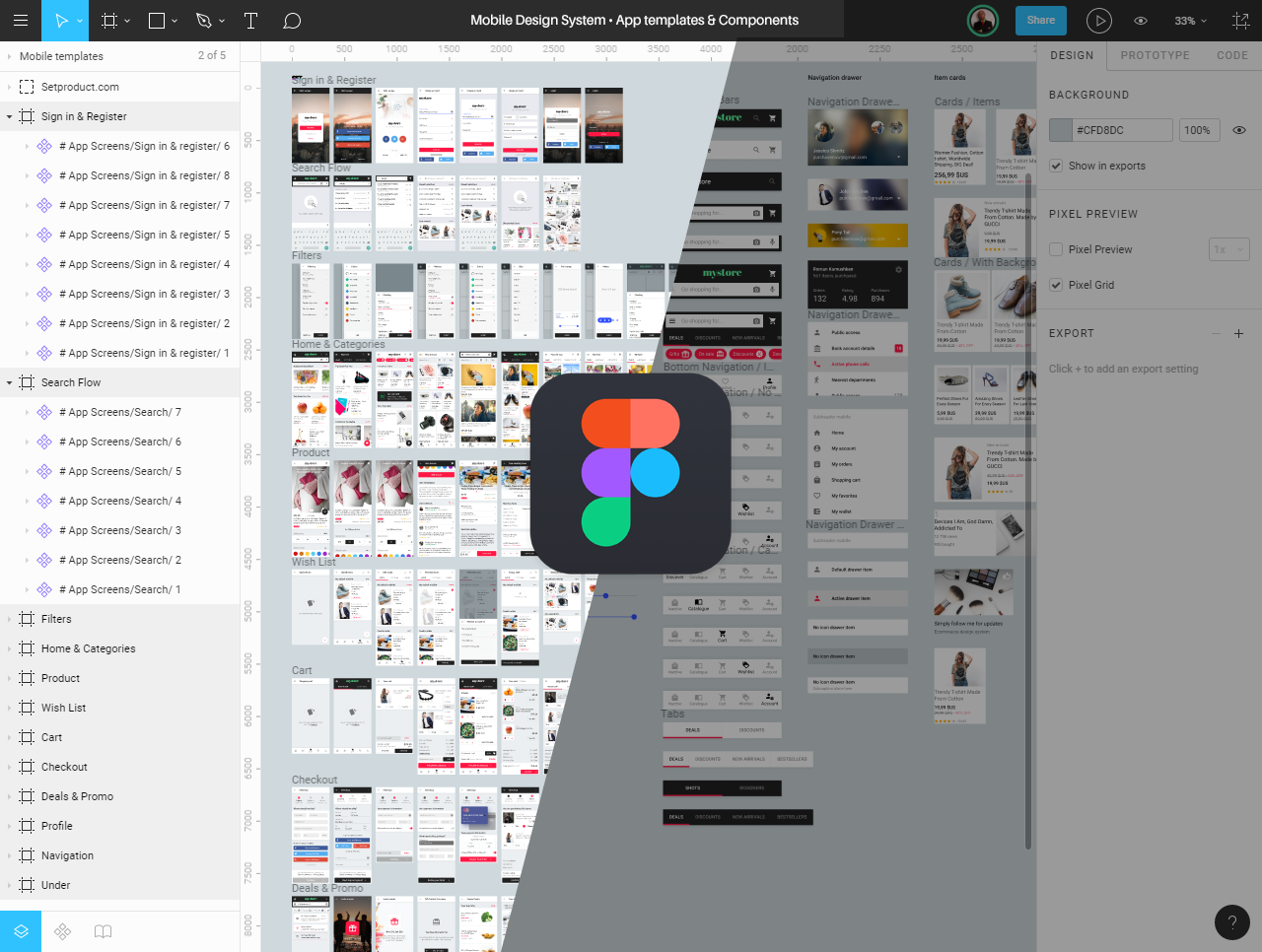
It’s crucial to communicate both how and why your design system assets are intended to be used when creating product experiences that meet accessibility standards. By prioritizing accessibility from the beginning and providing clear guidelines, you lay the foundation for a more inclusive product that everyone can enjoy. However, remember that having an accessible design system doesn’t automatically guarantee an accessible product. It’s an ongoing effort that requires commitment from the entire team. There are many reasons why a design system might be helpful for your team or organization. Before diving into creating components and patterns, it’s important to understand why you’re building a design system and what problems you hope to solve.
Accessibility
Consider how your team likes to work together, and how both your design team and your development team will be using the library. When naming your components and variables, it’s important to choose names that reflect their function, rather than how they look or how they’re coded. Use semantic naming, which means choosing names that reflect the meaning and purpose of the element. For example, you might use something like “color-warning” with an alert message, or “surface-primary” for the main background color of your app. Include details like the category and any variations in the name, such as “color-text-secondary” on your secondary headline color. Elevation refers to the use of shadows, layers, and transparency to create depth and order in your design.
A collection of Design Systems for Figma from all over the globe 🌎 backed by code.
In particular, its black-and-white color scheme sets it apart from other design systems. However, a huge downside is that it doesn’t yet utilize Figma variables like other design systems. However, this doesn’t mean that brand design systems can’t be useful. For example, Uber’s design system (Base) is naturally ideal for designing transportation-related apps. We’re bullish on design systems here at Figma…in case you couldn’t tell from our announcements this week 😋.
What is a UI design system?
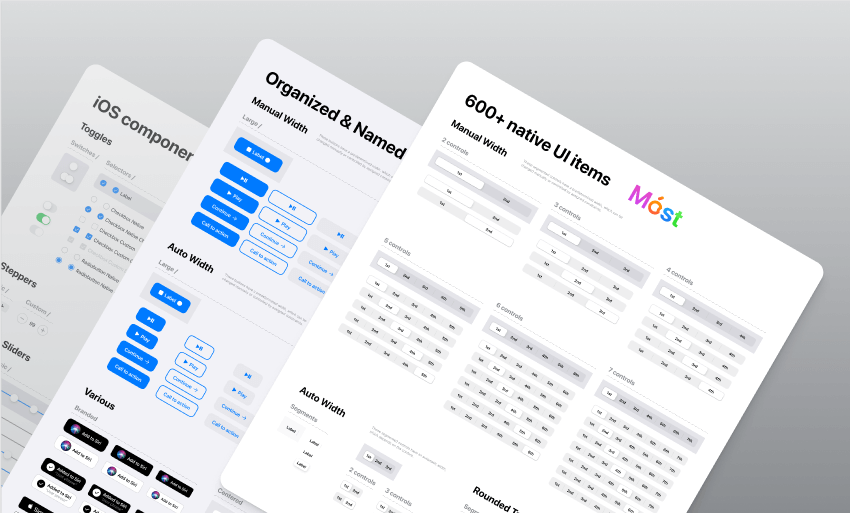
With the groundwork in place, you’re ready to start shaping your design system. One of the most important early steps is to define a set of guiding principles. These serve as a north star for your system, keeping everyone aligned as the system grows and evolves.
How to Export Figma to HTML, Best Free Plugins - Designmodo
How to Export Figma to HTML, Best Free Plugins.
Posted: Sun, 27 Aug 2023 07:00:00 GMT [source]
Design systems also help designers to craft more efficiently — that is, as long as they have clear documentation that explains the use cases of the different design system elements. This journey reflects broader trends in the field, from the creation of pattern libraries in the early 2000s to the adoption of responsive design practices. These milestones underscore the significance of design systems as indispensable components of modern digital toolkits. Figma’s design system features, like layout grids and styles, make it a lot easier for teams to stick to a spatial system across all their projects. By providing a single source of truth for grids, spacing, and layout components, Figma helps everyone stay on the same page and apply the spatial system consistently. User experiences that feel cohesive and intuitive, no matter where someone is interacting with your product or brand.
Explore this complete guide to iconography by illustrator and icon designer Bonnie Kate Wolf on DesignSystems.com. Finally, make sure your design system initiative is aligned with your overall company objectives. Your earlier audit will come in handy here; use your findings to help build the case for how a design system will support key business goals. In this short video, Jesse Showalter chats with Dan Mall about why design systems matter and how to know if your organization really needs one. Our UI/UX design courses are specifically designed to equip you with the skills, knowledge, and practical experience needed to thrive in today’s competitive design landscape.
The Best Figma Plugins to Create & Manage Design Systems — SitePoint - SitePoint
The Best Figma Plugins to Create & Manage Design Systems — SitePoint.
Posted: Fri, 25 Mar 2022 07:00:00 GMT [source]
In the early stages of designing a product, the process is still fluid. For example, if two primary navigation bars are being experimented with, adding both to a component library would not make sense, as it will confuse everyone on the team. It’s better to wait until the product design has settled—preferably tested and somewhat finalized. It is a detailed documentation of what each component is and where to use it.
How to convince your team to switch to Figma
In many cases, it actually will be a part of the operating system — for example, if you’re leveraging its dialogs API or notifications API. Thomas Lowry, lead designer at the enterprise IT company OpenText, dives deep into using nested components to build a more powerful design system. Bring clarity to designs and give developers the tools they need to translate them into code.
Make designs feel real
Discover your principles with your team using this FigJam template. Creating Styles is the same in Library files as it is in any other file, outlined in the steps below. Design system analytics give teams the context they need to make better decisions and drive adoption. Use component properties to make components more customizable and map to React properties. We define breakpoints based on the different screens, devices, and orientations. It defines the point at which the layout changes instead of resizing.
Figma will show a notification when updates are made in the Library file, giving the option to publish them. Once published, any files using the Components and Styles will have to accept the change via a similar notification or the assets tab to update their components and styles. This prevents changes from being published and updated unexpectedly. Collaborate together on reusable assets to create a design system that enables consistency and innovation across teams and products. The colors I’ve showcased will serve as the basis for the variables.
Thanks to innovation in the design world, you can even learn how to build and structure your own design system from the ground up. Beyond the initial development, design systems need ongoing input from designers, developers, and product managers to remain effective. This might mean rethinking priorities or even expanding your team to ensure the design system doesn’t stagnate. These are reusable visual elements and interaction patterns that inform the common interface and behaviors of your product.


No comments:
Post a Comment